Utility Club Insights
Guides, tips and plain-English explainers on electricity, gas, internet, health insurance and moving house.

NBN connection types explained
The NBN reaches homes through different connection types, and the one at your address decides which speeds you can get. Here's how each type works, its top speed and how to find out which you have.

Opticomm vs NBN: what's the difference and which is better?
Opticomm and the NBN both sell internet, but they're separate networks with different speed tiers, fees and coverage. This guide compares the two so you can understand the differences.
What is Sky Muster? NBN satellite explained
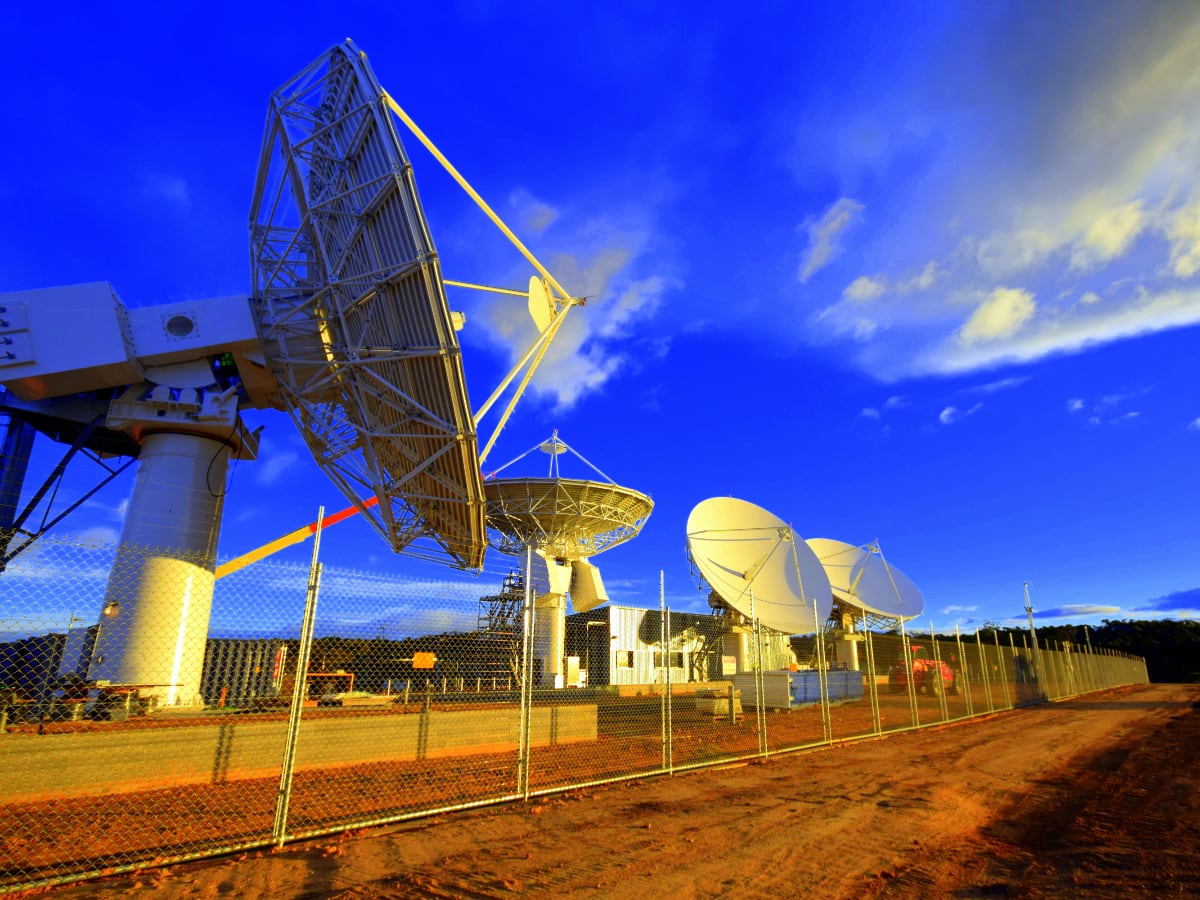
Sky Muster is the NBN's satellite service, delivering internet from two satellites 36,000 km above Earth to homes and businesses too remote for fixed line or fixed wireless.

What is NBN fixed wireless? Fixed wireless NBN explained
NBN fixed wireless delivers internet by radio from an nbn tower to an antenna on your home. Here's what equipment you need, the speeds it delivers and what can slow your connection down.

What is FTTB? NBN fibre to the building explained
FTTB (Fibre to the Building) is the NBN connection type used in many apartment blocks, where fibre runs the building's communications room and the building's copper wiring connects each unit.

What is FTTC? NBN fibre to the curb explained
FTTC is the NBN connection type that runs fibre to a pit in your street and uses the short copper line into your home. Here's how fibre to the curb works, its speed and how to move to full fibre.

FTTN vs FTTP: what's the difference and which is better?
FTTN and FTTP both use fibre, but only FTTP runs it all the way to your home. This guide compares the two on speed, reliability and equipment, and explains how FTTN homes can upgrade to full fibre.
What is FTTN? NBN fibre to the node explained
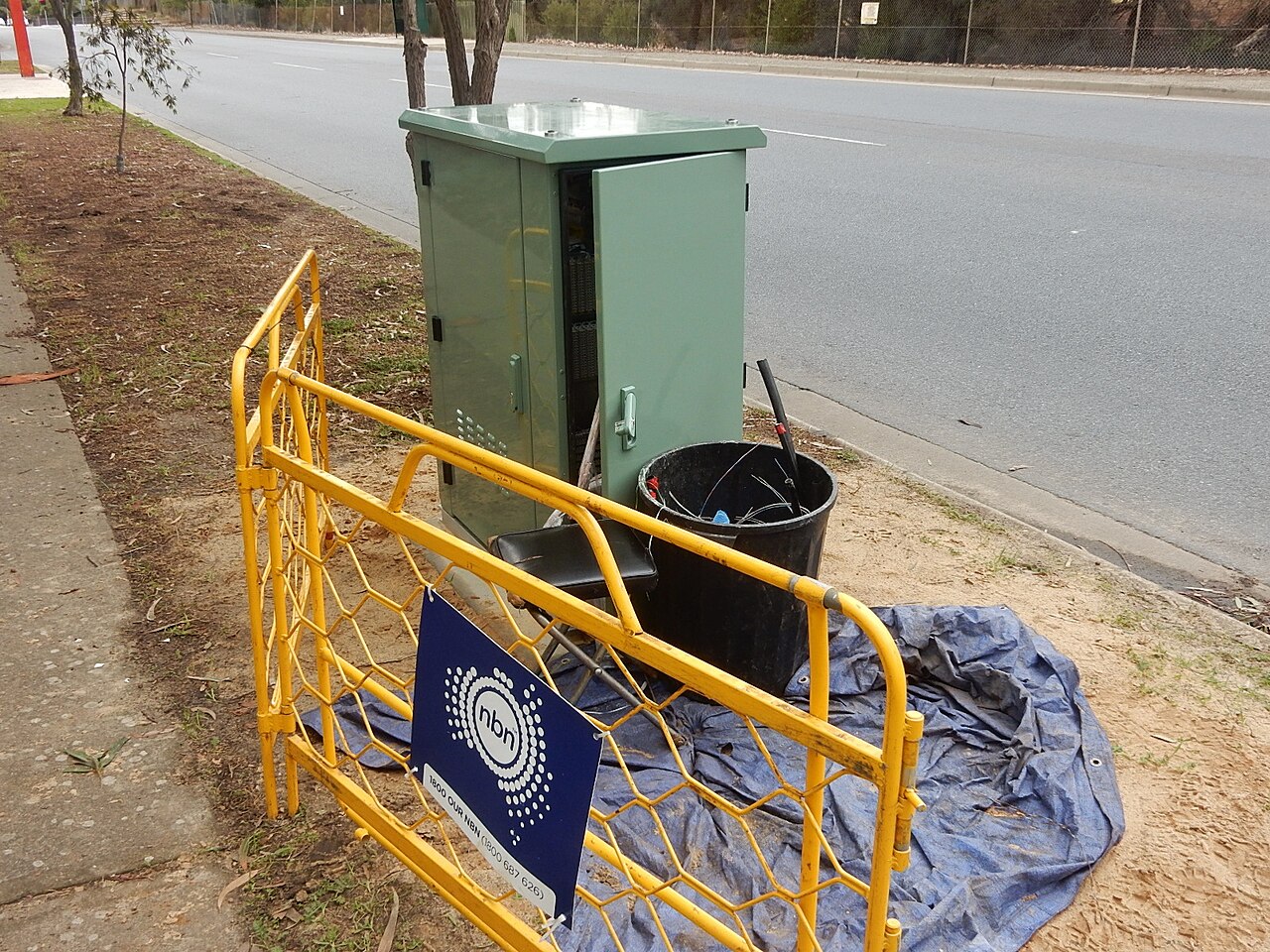
FTTN is the NBN connection type that runs fibre to a cabinet and uses the existing copper phone line for the rest. Here's how fibre to the node works, why speeds vary, and how to move to full fibre.
HFC vs FTTP: how the two fastest NBN connections compare
HFC and FTTP are the only NBN connection types that can access every speed tier, up to 2,000 Mbps. This guide explains where they differ, from upload speeds to reliability, and whether you can switch.
What is HFC? NBN hybrid fibre coaxial explained
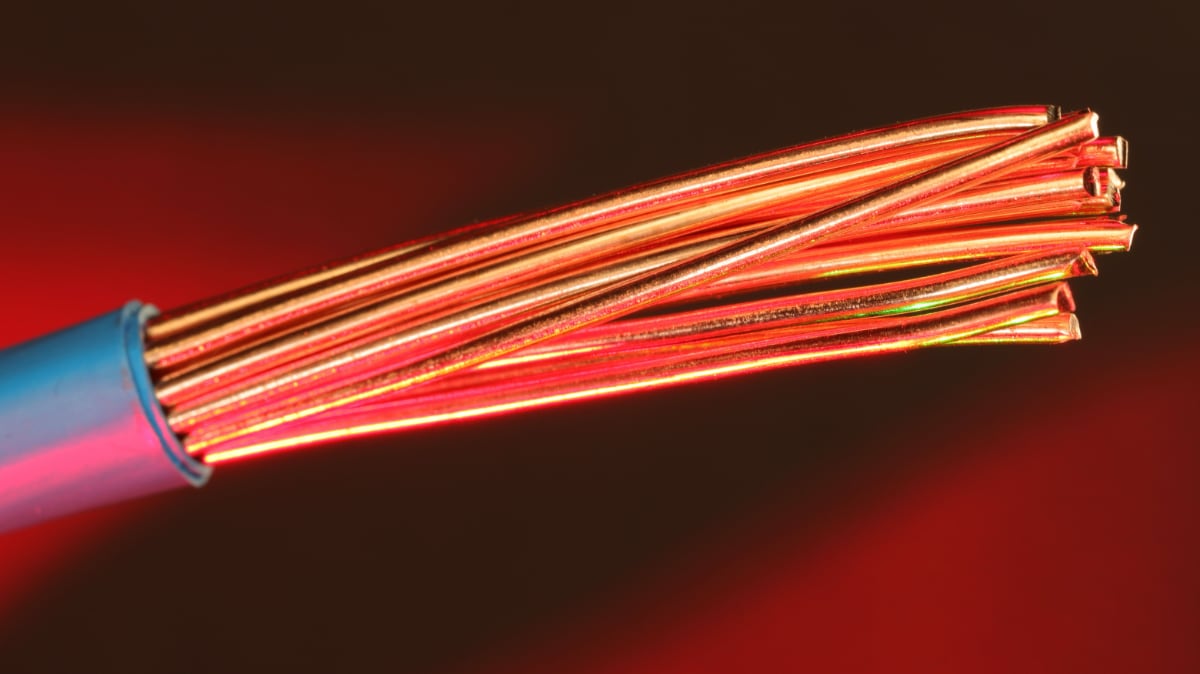
HFC is the NBN connection type that reuses the coaxial cable built for pay TV in the 1990s. Here's how an HFC connection works, what equipment you get, and how it stacks up against full fibre.
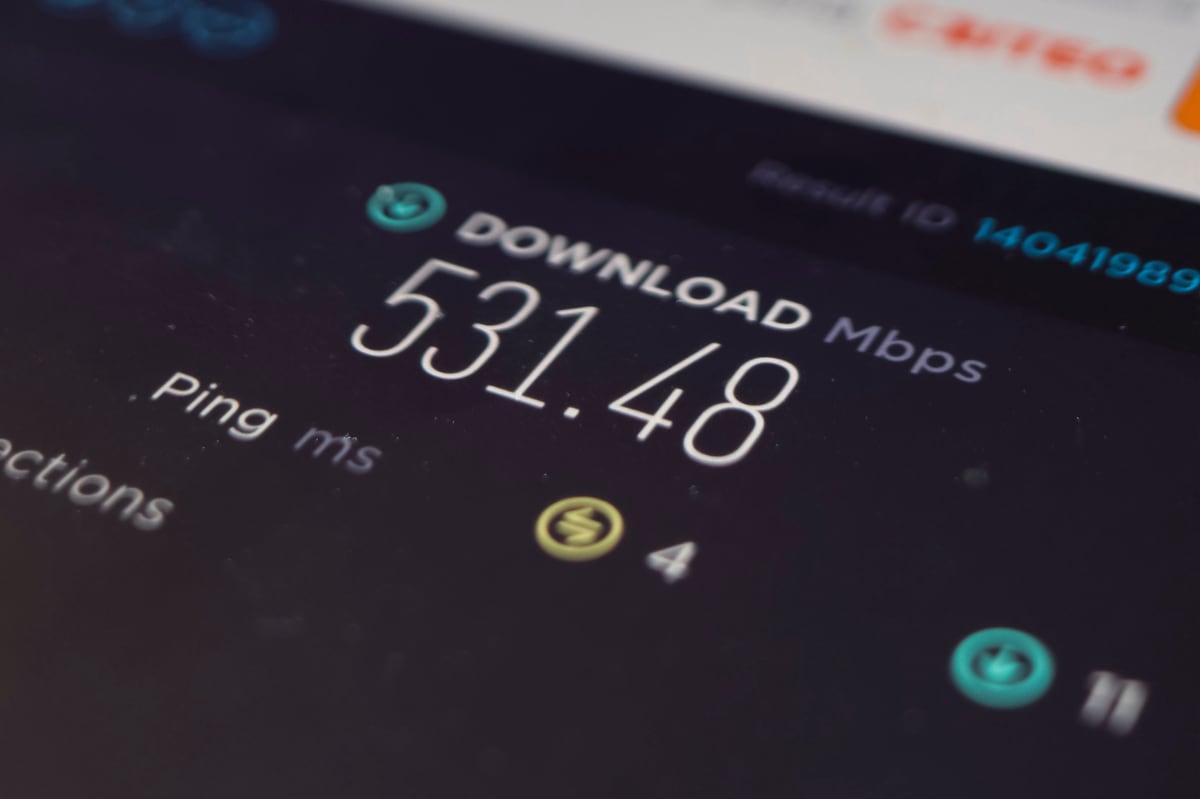
NBN fibre upgrades: how to get FTTP
Millions of homes on FTTN and FTTC can now upgrade to full fibre. Here's how the NBN fibre upgrade works, who's eligible, which plan you need, what it costs and what to expect from the FTTP upgrade.
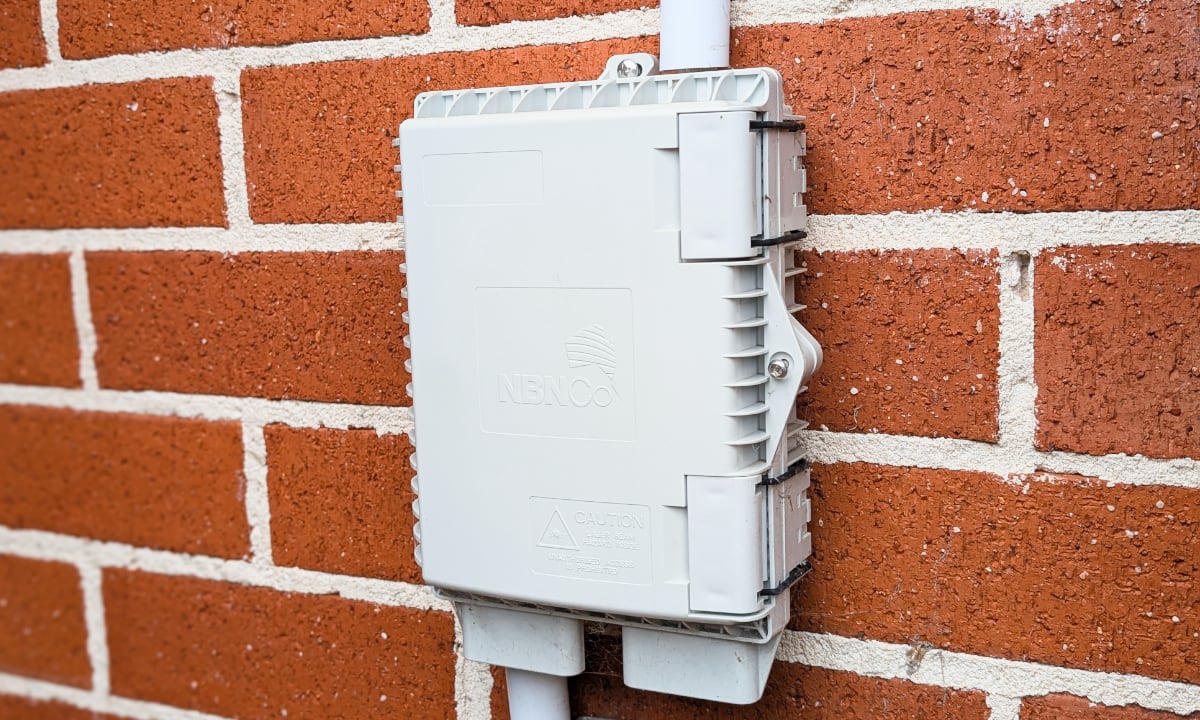
What is FTTP? NBN Fibre to the Premises explained
FTTP runs fibre optic cable all the way to your home, making it the fastest and most reliable NBN connection type. Here's how it works, the speeds it supports and how it compares to Fibre to the Curb.
Paying too much for your utilities?
Compare electricity, gas and internet plans in minutes — free, no obligation.